Can CBD Help With an Injury in Camp or Should I See a Pro?
In the grind of an MMA training camp, managing training volume, recovery, and nagging injuries is a daily balancing act. When joint pain creeps in or a bothersome injury flares, many fighters and coaches ask: Can CBD help? Or is it time to stop guessing and see a professional?
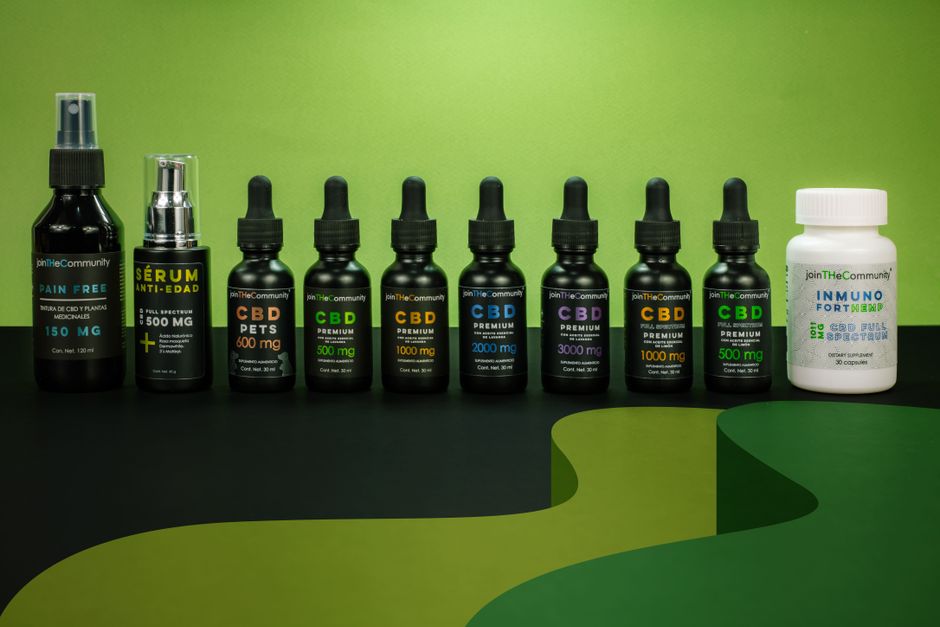
Drawing from 12 years coaching fighters, cornering in the cage, and leaning heavily on the science of recovery, I’ll break down what works, what’s hype, and when to pull the trigger on a pro’s help. Plus, we’ll chat tools like whiteboard planning for sparring days and the importance of referencing batch-specific COA lab reports if you’re turning to CBD. Let’s dig in.
MMA Training Volume vs Recovery Capacity: The Fine Line
First off, understand that MMA is one of the toughest sports on the body. You’re mixing high-intensity sparring, skill drills, strength, and conditioning, then expecting your body to heal overnight. Spoiler: it rarely happens.

Here’s the kicker — your training volume has to match what your recovery system (sleep, nutrition, stress management) can handle.
- Week One: The camp starts fresh, sparring days marked clearly on the whiteboard, technique heavy, lower fatigue.
- Week Four: Fatigue ramps up; sleep debt builds — this is where injuries and joint pain often flare.
Ignoring these signs and simply pushing forward with “more volume” without adjusting sleep or recovery strategies will almost always backfire.
Why Does This Matter for Injury?
Muscle soreness after training is normal, but persistent joint pain over several weeks is an injury red flag. More often than not, it means your recovery capacity can't keep up with your training demands.
Sleep: The Unsung Hero of Adaptation and Motor Learning
One thing I always ask fighters during camp is, “What happens at 10:30 pm after sparring?” Because what you do right after that last session is critical.
Sleep is where your body:
- Flushes out inflammatory waste
- Consolidates motor learning and skill adaptations
- Rebuilds damaged tissues
Neglecting sleep, especially deep and REM phases, slows these processes leading to the “week four crash.” This week is notorious for increased injury reports and persistent joint issues.
Week Four Fatigue and Sleep Debt: The Danger Zone
Week Training Load Recovery Capacity Risk Level Week One Moderate High Low Week Two Increasing Volume Moderate Moderate Week Three High Volume & Intensity Lower (sleep debt accumulates) High Week Four Peak Volume Lowest (sleep debt maxes out) Very High (injuries and joint pain common)Reaching week four with a sleep debt and unaddressed joint complaints is a recipe for injury. This is why the camp whiteboard is key — it forces you to see sparring days, recovery blocks, and plan deloads before the inevitable fatigue crash.
Deload Placement Before the Crash: The Secret Strategy
The single biggest factor I've seen save a camp from collapse is proper deload placement. Plan a recovery week right before fatigue peaks, typically week three or early week four depending on your camp length and individual recovery.
- Reduce intensity and volume by 40-60%
- Prioritize sleep hygiene - strict bedtime, eliminate screens
- Focus on mobility, light technique drilling, and active recovery
- Address minor aches before they become injuries
Ignoring this sets yourself up for persistent joint pain lasting mymmanews.com weeks, and sometimes, an injury that cuts your camp short.
CBD: Hype, Hope, or Helpful?
So, where does CBD fit in this story? The cannabinoid craze has hit the fight world hard, touted as a “capsule that fixes recovery.” Let’s get real:
- CBD has shown some evidence for mild anti-inflammatory and analgesic effects in some clinical studies.
- But most users report subtle benefits rather than a miracle cure.
- Batch-specific COA lab reports are essential - quality, purity, and potency vary wildly in the CBD market.
- It's not a replacement for sleep or proper injury care.
Using CBD on its own without addressing training load and sleep is like putting a band-aid on a broken bone — it won’t fix the underlying stress on your body.
How to Use CBD Smartly in Camp
- Review batch-specific lab reports (COA) to confirm purity and potency.
- Use as a mild adjunct to assist sleep or evening recovery — not as your primary treatment.
- Never skip seeing a healthcare professional if joint pain persists beyond a week or worsens.
- Track your symptoms and any changes carefully.
Injury Red Flags: When to Stop Guessing and See a Professional
While some aches and soreness come with the territory, recognizing injury red flags is critical to not letting a minor issue snowball into a fight-ending problem. Here’s when to see a pro:
- Joint pain lasting more than 10 days, especially swelling or decreased range of motion.
- Sharp, shooting pain or instability during training.
- Inability to fully perform technique or sparring drills.
- Pain increases after rest periods instead of improving.
- Swelling or redness indicating possible infection or serious trauma.
Remember, medical professionals can order imaging or physical therapy to help clear you to continue safely or advise on appropriate modifications.
Wrapping It Up: Your Whiteboard Checklist for Injury Management in Camp
Here’s my go-to list I keep on the whiteboard in the gym — the boring things that actually work:
- Mark sparring days clearly: Avoid accidental overload.
- Schedule deload weeks: Beat fatigue before it beats you.
- Prioritize sleep: Ask yourself “What happens at 10:30 pm after sparring?”
- Track joint pain duration and severity: Use data, not guesswork.
- Use CBD only with batch-specific COA proof and as an adjunct: Not a primary treatment.
- Seek professional help for injury red flags: Don’t delay diagnosis or treatment.
Final Thoughts
MMA camp is an intense battle of volume, intensity, and recovery. CBD can offer some mild relief in select cases, but it’s no substitute for strategic volume management, sleep priority, and professional care when injuries present.
Respect your body, track your training and soreness scientifically, and remember: if joint pain sticks around for weeks or gets worse, see a professional early. That’s how you get back on the mats stronger and ready to fight.