If I'm Not an Athlete Anymore, Do Anti-Doping Rules Still Matter for Pain Treatment?
After hanging up your boots or leaving the pitch for good, the world of football culture doesn’t immediately leave you, especially if your body’s still reminding you of the hard knocks endured over the years. Pain, stiffness, and that vague niggle that never quite goes away become part of daily life for many ex-players. But here’s the question that keeps popping up: “If I’m not competing anymore, do anti-doping rules still matter for how I manage my pain?”
As someone who's spent over a decade around football changing rooms, rehab bays, and the occasional away end, I know the answer isn’t straightforward. Let's unpack the reality of pain management choices for retired players, peel back the stigma football has around reporting pain, and dig into the long-term consequences that often lurk beneath the surface.
Football Culture and the Stigma Around Reporting Pain
First off, the footballing culture around toughness hasn’t changed overnight. “Playing through pain” is almost a badge of honour in most teams — but that mindset has downsides that linger long after the final whistle.
Players often feel pressured to downplay or hide pain for fear of being labeled weak or, worse, losing their place in the team. This culture doesn't just vanish once a player retires — many carry those habits into their post-playing years. This means they might delay seeking help or opt for quick fixes rather than addressing the root cause of their pain.
Remember, pain isn’t just “part and parcel” and isn’t something to just “tough out” forever — especially with conditions like:
- Osteoarthritis
- Persistent pain syndromes
- Imperfect healing from past injuries
Understanding pain properly and being honest about it is the first step to managing it well.
Long-Term Outcomes After a Football Career
One of the big issues ex-players face is the aftermath of repetitive, high-impact loading on joints and tissues over many years. It’s not just the big injuries that do damage; it’s here also the small repetitive loads that don’t get a chance to heal fully. The body tries to repair itself, but often the healing is “imperfect”, leading to chronic pain down the line.
The three major contributors to persistent pain in ex-players are:
- Imperfect Healing: Scar tissue, cartilage wear, and previous injuries can all leave the joint or tissue weaker than before.
- Cumulative Loading: Years of training, matches, and even simply standing on artificial pitches add up — joints wear down over time.
- Central Sensitisation: This is a fancy term for when the nervous system becomes overly sensitive to pain signals, making people feel pain even without new injury or damage.
These mechanisms mean that simply resting or “waiting for the pain to go away” often doesn’t work — a proactive, ongoing treatment approach is vital.
Retired Player Treatment Options & Pain Management Choices
Now, let’s tackle the key concern — what treatment options do retired https://highstylife.com/what-is-the-difference-between-pain-management-and-chasing-zero-pain/ players have? This often doesn’t get discussed enough, especially since once you’re off the roster and out of the club’s medical team, the anti-doping rules no longer directly apply. But that doesn’t necessarily mean you have a free pass to use any treatments you want — it’s about making ordinary clinical decisions that suit your health, lifestyle, and the law.
Do Anti-Doping Rules Still Matter After Retirement?
In terms of official competition, anti-doping rules are designed to keep sport fair. Once you’re retired, these rules aren’t about controlling your pain management choices, but some people still worry about:
- The lingering stigma of “using substances”
- Legal concerns around medications like medical cannabis
- Knowing what treatments are safe and effective
UK Anti-Doping (UKAD) rightly focuses on active athletes competing in sports. Their official guidance (UKAD athlete guidance) clarifies that once you are not an athlete in a testing pool or actively competing, anti-doping rules don’t apply to you as an ex-player. However, this doesn’t mean medical and legal advice should be ignored; access to some treatments varies if you want to avoid risks.
Medical Cannabis: A Private Clinic Pathway
For those considering alternatives like medical cannabis, the landscape can be confusing. Prescriptions on the NHS for cannabis-based medicine are very rare, but private clinics offer assessments and possible treatment pathways for chronic pain management.

If you’re exploring this option:
- Private clinics assess your individual pain profile carefully.
- They look at your medical history, long-term goals, and current medications.
- Treatment is often part of a broader pain management plan, not a standalone solution.
This pathway respects your status as an ordinary person, not a current athlete under testing, allowing for treatments that might not be available in standard NHS care but still require oversight from a qualified healthcare professional.
Active Rehabilitation: Graded Exercise and Strengthening
One point I can’t stress enough—whatever your treatment plan is, passive “just rest” advice doesn’t cut it. The evidence strongly supports active rehabilitation as the cornerstone for managing persistent pain and improving function.
What does active rehab mean here? It’s about building up gradually, not “going hard” right away. Specifically:
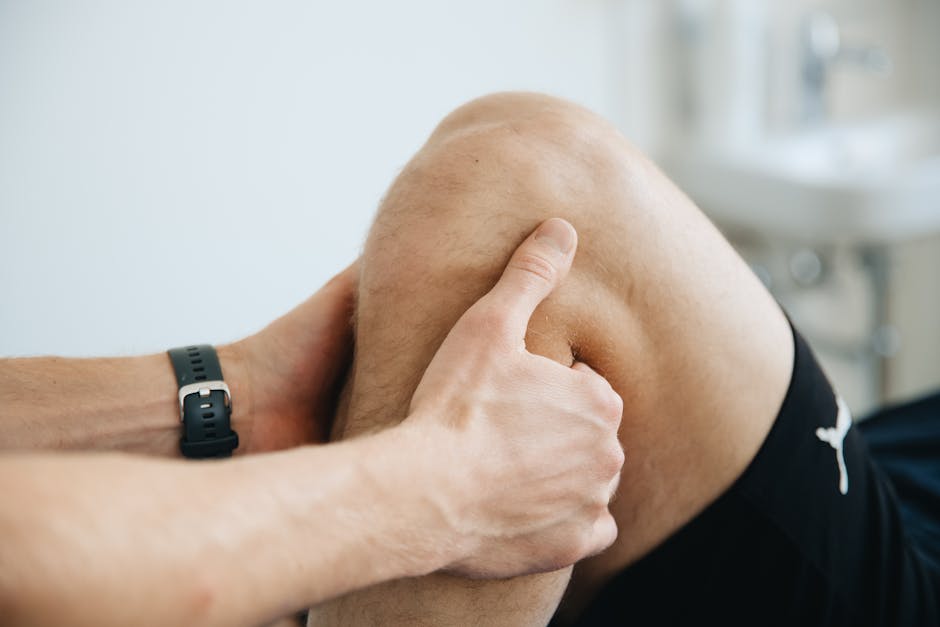
- Graded Exercise: Slowly increasing activity levels tailored to your pain and function thresholds.
- Strengthening: Targeted exercises to strengthen muscles around joints helps protect and stabilise worn structures.
- Movement Retraining: Changing harmful movement patterns that might contribute to ongoing pain.
Active rehab helps address central sensitisation by retraining the nervous system to be less sensitive to pain inputs.
Simple Routine to Stick To
Here’s a practical example you can aim for (once cleared by your physio or GP):
- Start with 5-10 minutes of gentle mobility exercises, focusing on the painful area.
- Follow with light strengthening — for example, bodyweight squats for knees, resistance band exercises for hips.
- Finish with 5 minutes of balance and control drills to help stabilise joints.
- Repeat 3-4 times per week, increasing gradually as pain allows.
Stickability beats intensity. It’s better to do a little bit regularly than push too hard and flare the pain.
Summary Table: Post-Retirement Pain Management Considerations
Aspect Key Points Practical Advice Anti-Doping Rules Do not apply once retired; treatments choices become ordinary clinical decisions. Check UKAD guidance; focus on legal, safe treatments. Football Culture Stigma often delays pain reporting and treatment. Be honest with yourself and healthcare providers; don’t “soldier on”. Long-Term Outcomes Imperfect healing, cumulative joint loading, central sensitisation are common. Consider comprehensive assessment and holistic pain management. Medical Cannabis Available mainly through private clinics; not routine in NHS. If interested, consult private clinic for assessment and supervised care. Active Rehabilitation Essential for addressing persistent pain and improving function. Follow graded exercise and strengthening protocols; consistency over intensity.Final Thoughts
If you’re a retired player navigating pain management, you’re in a very different world compared to your playing days, but a tricky one nonetheless. Don’t fall into the trap of vague advice like “just rest it” or ignore your pain because you think you “should just cope”. Instead, treat yourself like the valuable, ordinary person you are deserving of decent care — not just a former athlete.
Anti-doping rules become less relevant for your treatment choices, but that also means you need to make informed, careful decisions alongside trusted healthcare professionals. Active rehabilitation remains vital to improving function and quality of life. For some, medical cannabis through a private clinic pathway might be an option worth exploring, but it’s no silver bullet.
Whatever you do, ask yourself: “What has changed in the last 6 weeks with my pain?” That question alone can help avoid the trap of vague, unhelpful advice and steer you onto a treatment path that really fits your story.
If you want to read more about anti-doping rules and their application, check out the official UKAD guidance here: UKAD Anti-Doping Rules & Your Career.