Is 1,000 mg CBD on the Bottle Per Serving or for the Whole Bottle?
Usually, “1,000 mg CBD” on the front of a tincture bottle means the amount in the whole bottle—not in one serving. But front-label wording can be vague, and products do not all define a serving the same way. To know what you are getting, check the Supplement Facts or product panel, the bottle’s volume, the serving size, and the lab report for that specific batch.
The distinction matters. A bottle containing 1,000 milligrams of CBD may provide about 30 servings, while a product with 1,000 milligrams per serving would be a very different concentration. Here is how to read the label, calculate the amount in each serving, and spot some common points of confusion.
CBD mg per bottle versus CBD mg per serving
CBD mg per bottle is the total stated amount of cannabidiol in the entire container. CBD mg per serving is the amount in the portion the manufacturer calls one serving. The front label may emphasize the total because it is a larger number, while the serving information appears in smaller print elsewhere.
For example, a 1,000 milligram tincture in a one ounce bottle is roughly 30 servings, about 33 milligrams per serving—assuming a serving is approximately one milliliter and the bottle contains about 30 milliliters. That is an estimate, not a universal rule. Some labels define a serving as half a dropper, a full dropper, or another measured volume. A marked dropper can help, but the printed serving size is the place to start.

How to calculate cbd mg per serving
If the label gives the total CBD and number of servings, divide the total CBD by the serving count. If it gives the total CBD and bottle volume instead, calculate the concentration per milliliter, then multiply by the serving volume.
- Find the total CBD. Look for a specific amount of cannabidiol in milligrams, not just “hemp extract” or “total cannabinoids.”
- Find the bottle volume. Tinctures commonly list volume in milliliters or fluid ounces. One U.S. fluid ounce is about 29.6 milliliters.
- Find the serving size. For example, the label may define one serving as 1 mL.
- Divide total CBD by total milliliters. This gives an approximate amount of CBD per milliliter.
- Multiply by the serving size. If a serving is 0.5 mL, it contains about half the CBD of a 1 mL serving.
For instance, 1,000 mg divided by 30 mL is about 33 mg per milliliter. A half-milliliter serving would therefore contain about 16.5 mg, if the contents are evenly mixed and the stated total is accurate. These calculations help interpret a label; they are not a recommendation about how much CBD https://www.thedailynewsonline.com/sponsored/how-to-read-a-cbd-label-without-getting-fooled/article_f6fd319b-cc89-4798-9957-bf218c7f9e1c.html anyone should take.
Look closely at “total cannabinoids”
“Total cannabinoids” is not necessarily the same as “CBD.” A product’s total cannabinoid amount may include CBD plus other cannabinoids, such as cannabigerol (CBG) or cannabinol (CBN). The wording can be useful if the product contains a blend, but it does not tell you how many milligrams of CBD are present unless the label breaks that amount out separately.
Side-eye-worthy wording includes a prominent “1,000 mg” claim paired with no clear explanation of whether that figure means CBD, hemp extract, or all cannabinoids combined. Look for a separate CBD amount on the label and in the certificate of analysis (COA). If neither provides one, you cannot reliably work out the product’s CBD mg per serving from the headline number alone.
Also compare like with like. A label may list “hemp extract” in milligrams, while its COA lists individual cannabinoids as percentages or milligrams per gram. Those figures are not automatically interchangeable. The manufacturer should make the CBD amount understandable and provide enough information to check it.
Check the QR code and batch or lot number
A QR code is useful only if it takes you somewhere useful. Ideally, scanning the code on the package opens the lab report document for the product’s specific batch—not merely the brand’s homepage, a generic product page, or a list of reports with no clear way to choose yours.
Use a batch/lot number matching system as a basic verification step: compare the batch or lot number printed on the bottle with the number shown on the COA. The product name, formulation, and test date should also make sense for the item in your hand. A report for a different batch may offer background information, but it does not verify the specific bottle you bought.
- Scan the QR code and confirm it opens the actual lab report document or a clearly identified report page.
- Match the report’s batch or lot number to the package.
- Check that the report identifies CBD and, where relevant, other cannabinoids separately.
- Look for the lab name, report date, and testing details; be wary of cropped or unreadable results.
- Contact the company if the report is missing, the code is broken, or the numbers do not line up.
A COA can help you assess what was tested and what the results say. It does not, on its own, establish that a product is appropriate for you or that every health claim about it is true.
Hemp seed oil is not the same as CBD oil
Hemp seed oil is made from hemp seeds. CBD is a cannabinoid typically obtained from other parts of the hemp plant. Hemp seed oil can be a legitimate food or carrier oil, but it is not a substitute for a clearly disclosed CBD amount.
This is where packaging can confuse shoppers. A bottle may show a hemp leaf, say “hemp oil,” or feature a large number for hemp ingredients, while the label does not state how much CBD it contains. Read the ingredient and facts panels rather than relying on plant imagery or the word “hemp.” If your goal is to buy a CBD product, look for cannabidiol or CBD explicitly listed with an amount in milligrams.
Do not assume that “hemp extract,” “hemp oil,” “hemp seed oil,” and “CBD oil” mean the same thing. If the wording is unclear, ask the seller or manufacturer for the amount of CBD per bottle and per serving, plus a batch-matched lab report. If you cannot get a direct answer, consider choosing a product with clearer labeling.
Full spectrum, broad spectrum, and isolate
These terms describe the type of hemp extract or cannabinoid profile a product is intended to contain. They do not tell you the CBD amount by themselves, so you still need to check the label and COA for CBD mg per bottle and CBD mg per serving.
- Full spectrum: Generally refers to an extract intended to retain CBD along with other hemp compounds, which may include other cannabinoids and trace amounts of THC. Check the COA for the actual profile and THC result; the term alone does not specify the amount.
- Broad spectrum: Generally refers to an extract containing CBD and other hemp compounds with THC removed or reduced to a specified level. “THC-free” wording should be checked against the lab report, because labels and testing limits can vary.
- CBD isolate: Refers to CBD separated from most other plant compounds. A product made with isolate may still contain carrier oils and other ingredients, so check the full ingredient list and the COA.
These categories are not a shortcut around label reading. If avoiding THC is important to you—for example, because of workplace testing, legal concerns, or personal preference—review the current lab report and consult a qualified professional as needed. Do not rely on “broad spectrum” or “THC-free” alone without checking what the company says and what the batch report shows.
Compare products without getting distracted by the headline number
A larger bottle total does not always mean better value. Compare the actual CBD amount, the number of servings, the serving size, and the price. I always do the price-per-milligram calculation on a calculator: divide the price by the stated milligrams of CBD, not by a vague extract total. Then check whether the COA supports the label’s CBD figure.
For example, two tinctures might each advertise 1,000 mg on the front, but one could state 1,000 mg of CBD while the other’s figure refers to a broader hemp extract. They are not necessarily comparable. Likewise, a product with fewer milligrams may provide a clearer CBD disclosure and more verifiable batch documentation. Transparency is part of what you are comparing.
Brands such as Joy Organics are part of a crowded CBD marketplace, but no brand name replaces the same checks: read the specific product label, confirm the serving size, and match the bottle’s lot number to its lab report. Product formulas and labels can change, so use the information for the exact item and batch you are considering rather than assuming one product’s details apply to everything a company sells.
Common label questions
Does “1,000 mg” always mean the whole bottle?
It often means the total in the container, but do not assume. Find the words around the number and check the serving panel. If the label does not clearly say whether the amount is per serving or per bottle, ask the manufacturer before buying.
How many cbd tincture servings are in a bottle?
That depends on the bottle volume and the labeled serving size. A one-ounce bottle contains about 30 milliliters, but it has roughly 30 servings only if one serving is 1 mL. If the serving is 0.5 mL, the bottle would contain about 60 servings. The label’s stated serving count should be consistent with its volume and serving size.
What if the bottle lists milligrams but no serving size?
You may be able to estimate the concentration from the total and bottle volume, but you cannot know the manufacturer’s intended serving amount from that alone. Look for complete directions and serving information, or contact the company. Avoid treating a dropper’s appearance as a precise measurement unless it is marked and the label explains how much it holds.
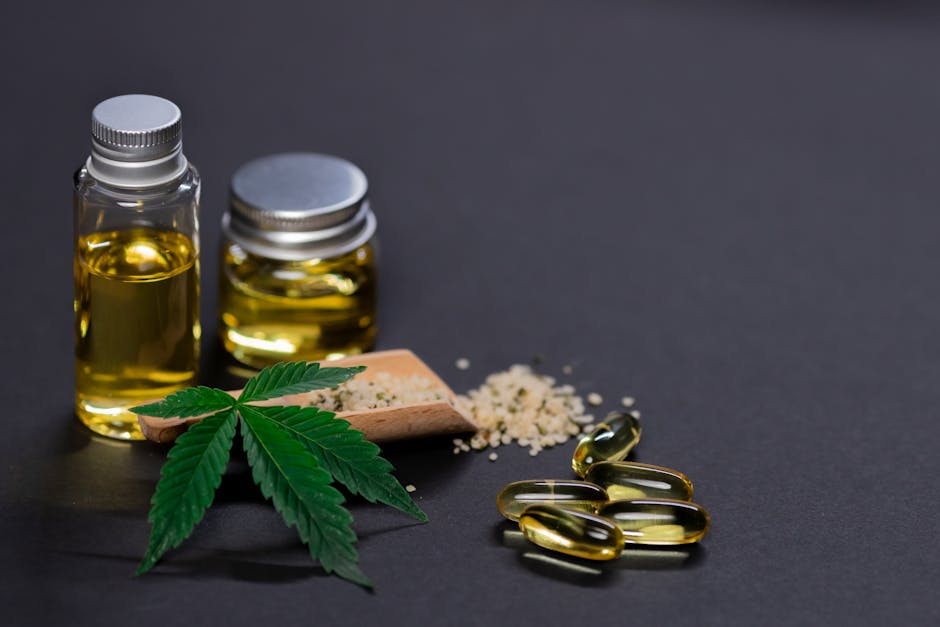
A quick checklist before you buy
- Is the number on the front clearly identified as CBD, rather than hemp extract or total cannabinoids?
- Does the package state both the serving size and CBD per serving?
- Does the total CBD make sense given the bottle volume and number of servings?
- Does the product list CBD as an ingredient or otherwise clearly disclose its CBD content?
- Does the QR code link to a lab report document for the product’s batch?
- Does the batch/lot number on the COA match the number on the package?
- Are claims about full spectrum, broad spectrum, isolate, or THC supported by the product details and report?
Clear labeling should make the basic math easy. When a bottle says 1,000 mg, first establish whether that means CBD in the whole bottle or CBD in one serving. Then check the serving size, calculate the amount per portion if needed, and verify the batch-specific report. If the label only says “total cannabinoids,” the QR code leads nowhere useful, or the company cannot explain what its milligram number represents, pause before purchasing.
For readers who prefer listening, The Daily News (thedailynewsonline.com) and audio platforms such as Trinity Audio may offer ways to access articles in audio formats. However you read or listen, keep the same principle in mind: a headline number is only useful when you know exactly what it measures.
This article is for general educational purposes and is not medical advice. CBD products may interact with medications, and product quality and labeling can vary. Speak with a qualified healthcare professional about personal health questions, especially if you take medication, are pregnant or breastfeeding, or are considering CBD for a health condition.