Is CBD Better for Anxiety Than for Sleep?
Cannabidiol (CBD) has surged in popularity as a natural health supplement, especially among people seeking relief from anxiety and sleep troubles. But does the research truly support the hype? Is CBD more effective for anxiety than for sleep? In this deep dive, we’ll break down the key science, the legal landscape shaped by hemp and THC levels, tribality and the real-world implications of dosing — including the common mismatch between clinical studies and your average store-bought gummy.
Understanding CBD Basics and THC Distinctions
First, a quick primer for those navigating the complex world of cannabis compounds. CBD is a non-intoxicating cannabinoid primarily extracted from hemp, a variety of the Cannabis sativa plant defined legally by its low tetrahydrocannabinol (THC) content. THC is the psychoactive component that causes the “high” associated with marijuana.
Here’s what you need to know about the differences:
- CBD (Cannabidiol): Non-psychoactive; believed to have therapeutic effects such as reducing anxiety, inflammation, and pain.
- THC (Tetrahydrocannabinol): Psychoactive; responsible for intoxication and euphoria.
CBD products on the market can be:
- Full spectrum: Contains CBD plus trace amounts of other cannabinoids including up to 0.3% THC — which is important legally.
- Broad spectrum: Contains CBD and other cannabinoids but has THC removed.
- Isolate: Pure CBD, no other cannabinoids.
Note: The term “full spectrum” does NOT mean “stronger” or “more effective” by default; this is a common misconception that leads to overestimating product potency.
Hemp Legality and the 0.3% THC Threshold
Legally in the United States, hemp must contain less than or equal to 0.3% THC by dry weight to qualify for regulation under the 2018 Farm Bill. This threshold is a critical boundary distinguishing hemp-derived CBD from marijuana.
This limit has important consequences:
- CBD products with THC over 0.3% are federally illegal and classified as marijuana, which is still heavily regulated.
- When brands like Joy Organics advertise their products, they ensure the THC content consistently stays below that mark to comply with federal law and to avoid unwanted intoxication.
- The World Anti-Doping Agency (WADA) also bans THC but has removed CBD from the banned substance list, reflecting its unique position in sports performance and wellness.
CBD for Anxiety: What Does the Evidence Say?
Among the various potential uses of CBD, the strongest and most consistent research evidence supports its anxiolytic (anxiety-reducing) properties.
The Growing Body of Research on CBD Anxiety Evidence
- Preclinical studies: Animal research has repeatedly demonstrated that CBD interacts with the endocannabinoid system and serotonin receptors, key players in anxiety regulation.
- Human clinical trials: Controlled studies, though still limited in number, report significant reductions in anxiety symptoms with CBD administration, especially for generalized anxiety disorder (GAD), social anxiety disorder (SAD), and post-traumatic stress disorder (PTSD).
- Mechanism of action: CBD seems to modulate the brain's response to stress and fear, often lowering physical symptoms like increased heart rate and sweating.
For example, a 2019 systematic review published in Frontiers in Psychology concluded that “CBD shows considerable potential as a treatment for multiple anxiety disorders.” Importantly, these studies often use doses much higher than those found in typical consumer products, ranging from 300 mg to 600 mg or more per day.
CBD and Sleep: Evidence Is Mixed
When it comes to improving sleep, the research on CBD is more mixed and less conclusive compared to anxiety.
Examining the CBD Sleep Mixed Evidence
- Some studies: Suggest CBD can help improve sleep quality by reducing anxiety or pain that interferes with rest.
- Others find limited direct effects: CBD doesn’t consistently induce sedation or alter sleep architecture in healthy subjects.
- Variability in results: Differences in dosing, product formulation, participant health status, and study design make it hard to draw uniform conclusions.
In a 2017 study tracking 72 patients with anxiety or poor sleep, nearly 80% reported decreased anxiety within the first month of using CBD, and 66% reported improved sleep scores. However, subsequent months showed fluctuating benefits, highlighting inconsistency. The study authors themselves noted more rigorous trials are needed.
Why Is Sleep Research Less Consistent?
One factor is the complexity of sleep disorders themselves — insomnia has multiple causes (psychological, physiological, lifestyle) that CBD may only address partially (mainly anxiety- or pain-driven sleep disturbances).
Also, unlike pharmaceutical sleep medications that target known pathways leading to sedation, CBD may support sleep indirectly. This nuance makes clinical endpoints harder to achieve and measure.

The Dosing Mismatch: Studies vs. Gummies on the Shelf
One of the biggest practical hurdles in matching research findings to consumer expectations is dosage. Clinical trials on CBD’s anxiolytic and sleep effects typically use doses measured in hundreds of milligrams daily (e.g., 300–600 mg), whereas commercial gummies and tinctures often deliver much less, sometimes as little as 10 or 25 mg per serving.
Product Type Typical Consumer Dose Clinical Study Dose Comments Joy Organics CBD Gummies 10 mg per gummy 300 mg or more per day Consumers might need multiple gummies to approach efficacious doses used in trials. CBD Oil Tinctures Often 20-50 mg per serving 100-600 mg per day Dosing varies widely; risk of underdosing is common if users rely on “typical” labels alone.This mismatch means that many people taking CBD for anxiety or sleep might not be consuming enough to experience the benefit observed in research — or worse, expecting results that the product cannot deliver.
The FDA, Labeling, and Consumer Safety
The FDA has been clear that it does not currently approve CBD as a dietary supplement or food additive (except for the prescription drug Epidiolex, FDA-approved for certain seizure disorders). This regulatory stance leads to confusion, inconsistent product quality, and often insufficient labeling standards.
Key concerns include:
- Products not matching label claims for CBD or THC content — I always check a company’s batch lab report for third-party confirmation, and Joy Organics generally scores well here.
- Unsubstantiated performance or health claims, often seen with “all natural” marketing but without scientific backing.
- Ignoring potential drug interactions — CBD can interfere with liver enzymes responsible for metabolizing various medications, including antidepressants and blood thinners, so caution is warranted.
Summary: Is CBD Better for Anxiety Than for Sleep?
After reviewing the current landscape of research and market realities, here’s a practical take:
- CBD shows stronger and more consistent evidence for reducing anxiety symptoms compared to its direct impact on sleep. The anxiolytic effects are better supported by clinical studies, even though more large-scale trials are needed.
- Sleep benefits appear to be more indirect and inconsistent. CBD may improve sleep mainly by alleviating anxiety or pain that disrupts rest, but evidence that it directly acts as a sedative or sleep-inducing agent is mixed.
- Dosing is a major factor. Most over-the-counter CBD products, including gummies from reputable brands like Joy Organics, have doses far lower than those used in effective clinical trials. Consumers should manage expectations accordingly.
- Always check third-party lab results for product purity and THC content. Reliable brands maintain compliance with hemp laws including the 0.3% THC threshold — important considering regulations from the FDA and anti-doping policies from the World Anti-Doping Agency (WADA).
In conclusion, if you’re weighing CBD for anxiety versus sleep, the current evidence tips towards anxiety management as the more promising use case. But remember: CBD is not a magic bullet. Understanding product labels, accurate dosing, and a healthy skepticism of oversold claims will set you up for the best results.
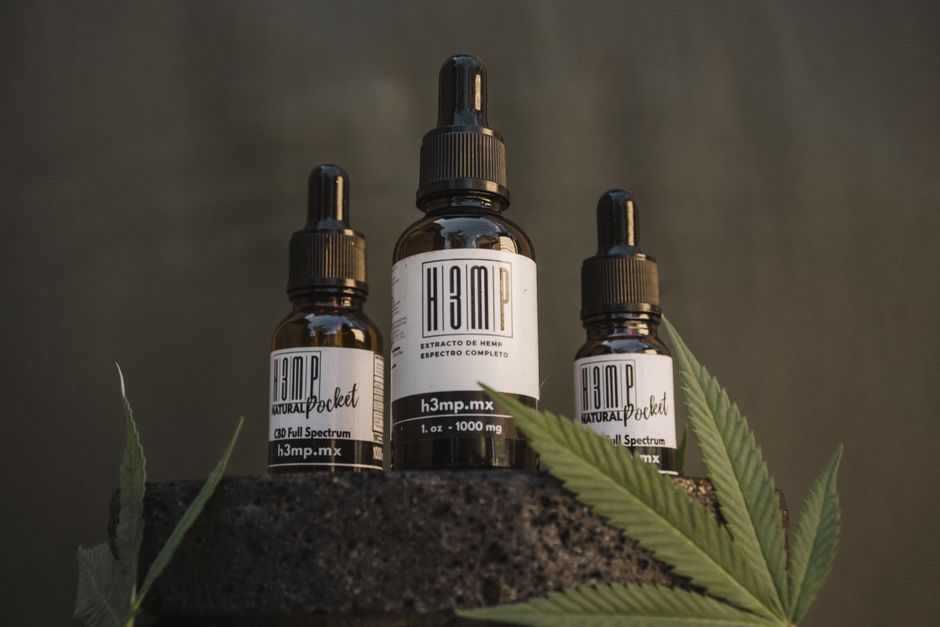
For gamers, athletes, or anyone navigating the noise around CBD, staying informed ensures you use products safely and effectively — whether it’s a daytime anxiety relief routine or a nighttime sleep stack.