Law Enforcement Asked for Clinic Parking Lot Video: What Should We Do?
When law enforcement knocks on your clinic’s door asking for parking lot surveillance footage, it’s a situation that requires calm, informed action. Your clinic’s CCTV system is a critical tool clinic security camera policy for safety, but it’s also a repository of sensitive information—including patient arrivals, staff movements, and private activities happening nearby. Handling video requests responsibly helps preserve privacy, comply with legal obligations, and maintain clinic trust.
Understanding the Incident: What Are We Trying to Solve?
Before you dig into the archive or copy footage, take a step back: what incident is law enforcement trying to solve? Understanding the request’s purpose will guide your response and help avoid over-collection.
- Is this footage needed as evidence for a theft, assault, or suspicious activity?
- What is the exact date and time frame of the incident?
- Which area of the parking lot or building exterior is relevant?
Knowing these details upfront enables you to locate just the relevant clip and avoid handing over more than necessary.
Route Requests Through Your Clinic’s Admin or Legal Team
When law enforcement requests video evidence, always route the request through your clinic’s administrative or legal staff. Front desk staff or clinic managers should not directly release footage without review.
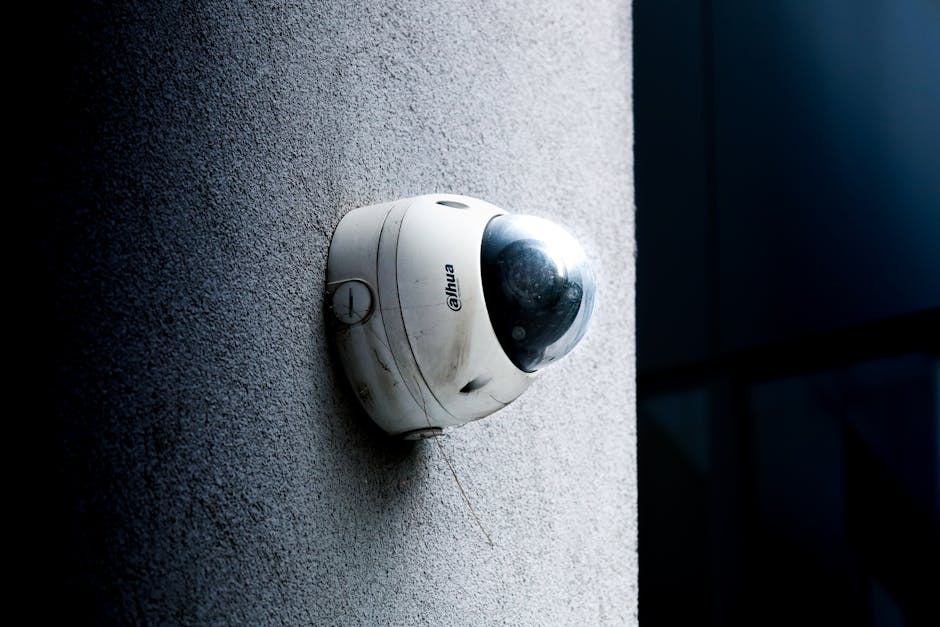
- Admin/legal team can verify the legitimacy of the request.
- They can check if a valid subpoena or court order is required.
- They coordinate how and what footage is shared to protect privacy and liability.
This “single-route” process avoids rushed decisions or accidental disclosures by front-line staff.
Data Minimization: Why Less is More
Clinic CCTV should follow data minimization principles, meaning only the minimum necessary video is collected, stored, and shared. This is not just privacy best practice but often a legal requirement in healthcare settings.
- Purpose-first camera justification: Each camera should have a clearly documented purpose, e.g., monitoring the parking lot entrance for security, not catching license plates on an adjacent street.
- Camera placement to avoid over-collection: Avoid positioning cameras where they record private areas like exam room windows, patient paperwork on reception desks, or monitors.
- Field-of-view reviews: Regularly review each camera’s field of view and record a documentation log to ensure it still aligns with its security purpose—and does not collect extra personal data.
The Risks of Over-Collection
If your parking lot camera also captures patient name badges, car license plates unrelated to incidents, or receptionist monitors, you risk over-disclosing private data when releasing footage—even unintentionally.
Using Role-Based CCTV Access: Named Users Not Shared Passwords
Your clinic’s CCTV system should use role-based user accounts. This means each staff member accessing the system has a unique login with permissions tailored to their role. Avoid shared passwords at all costs.
- Named users enable audit trails, so you can see who accessed or downloaded footage and when.
- They prevent unauthorized users—like untrained staff—from accidentally disclosing sensitive clips.
- If a user leaves the clinic or changes roles, their access can be revoked without affecting others.
This structure supports accountability and privacy compliance.
Preserving the Relevant Clip: How to Handle Footage Requests Securely
When you receive a legitimate law enforcement request that your admin/legal team has reviewed, here are the best practices for preserving and sharing the relevant footage:
- Identify and isolate the clip: Only extract video covering the exact time span and area relevant to the incident.
- Use on-premises visual redaction tools like Gallio PRO: This software lets you anonymize or blur out unrelated faces, license plates, or private information before sharing footage. It’s a critical step to avoid over-disclosure of protected data.
- Create a clear chain of custody record: Document when the footage was accessed, by whom, what was copied, and what was released.
- Set retention limits: Do not save clipped footage “just in case” indefinitely. Define and follow a clear destruction timeline to avoid unnecessary storage and risk.
Camera Placement and Field-of-View Reviews: Prevent Problems Before Requests Arise
Ideally, you want your system designed to minimize privacy risks ahead of time so that when law enforcement requests footage, you’re not scrambling to redact or filter video.

Tips for parking lot camera placement:
- Position cameras so they capture entry and exit points rather than surrounding properties or public sidewalks unnecessarily.
- Angle cameras away from reception windows, staff desk monitors, and private offices.
- Use signage to notify visitors they're under video surveillance, satisfying transparency obligations.
Perform quarterly or semi-annual field-of-view reviews where responsible staff examine each camera’s view and confirm it aligns with its security purpose. Keep a simple documented log with snapshots for reference.
Summary Table: Handling Law Enforcement Requests for Clinic Parking Lot Footage
Step Best Practice Reason 1. Understand Incident Ask what incident is being investigated, date/time, exact location Limits footage scope and privacy exposure 2. Route Request Send requests to admin/legal team, not front desk Ensures legal compliance and proper vetting 3. Role-Based CCTV Access Use individual named users, never shared passwords Audit trails and controlled access 4. Data Minimization Confirm cameras have documented purpose; check placement Reduces collection of irrelevant personal data 5. Preserve Relevant Clip Extract exact timeframe clip, apply visual redaction with Gallio PRO Protects privacy, avoids over-disclosure 6. Chain of Custody & Retention Document access/release; set disposal date for clips Maintain compliance and minimize ongoing risk 7. Field-of-View Reviews Regularly review & document camera views Prevents privacy issues and simplifies future requestsFinal Thoughts
In busy clinic environments, it’s tempting just to “grab the footage” when law enforcement shows up. But privacy-safe handling of CCTV footage is essential. Establish clear workflows where requests are routed through your clinic’s admin or legal team, identify and preserve only relevant video, and use tools like Gallio PRO to anonymize non-essential data.
Regularly review your clinic’s camera placement with a data minimization mindset and use role-based access control on your CCTV system. These best practices create a foundation that keeps patient and staff privacy intact while still supporting security needs.
For your clinic, the key question to keep front-of-mind at every step is: “What incident are we trying to solve?” This focus will guide you away from over-disclosure and set up a privacy-safe response when law enforcement requests your parking lot video.