Why Do Vegan Supplements Still Use Gelatin Sometimes?
A supplement can look plant-based, carry a “vegan” message on its website, and still leave shoppers wondering about gelatin. The confusion often comes down to what the claim applies to: one ingredient, one product, or an entire brand. It can also come from vague labels, shared manufacturing lines, or a capsule shell that gets less attention than the ingredients inside it.
Gelatin is made from animal collagen, commonly sourced from cattle, pigs, or fish. It is not vegan. If it appears in a supplement’s capsule or gummy, that product is not vegan, even if its active ingredients come from plants. The practical rule is to check the whole product—not just the headline claim or the front of the bottle.
Here’s how to spot the most common sources of confusion, what labels can and cannot tell you, and which questions to ask before buying.
Start with the capsule shell
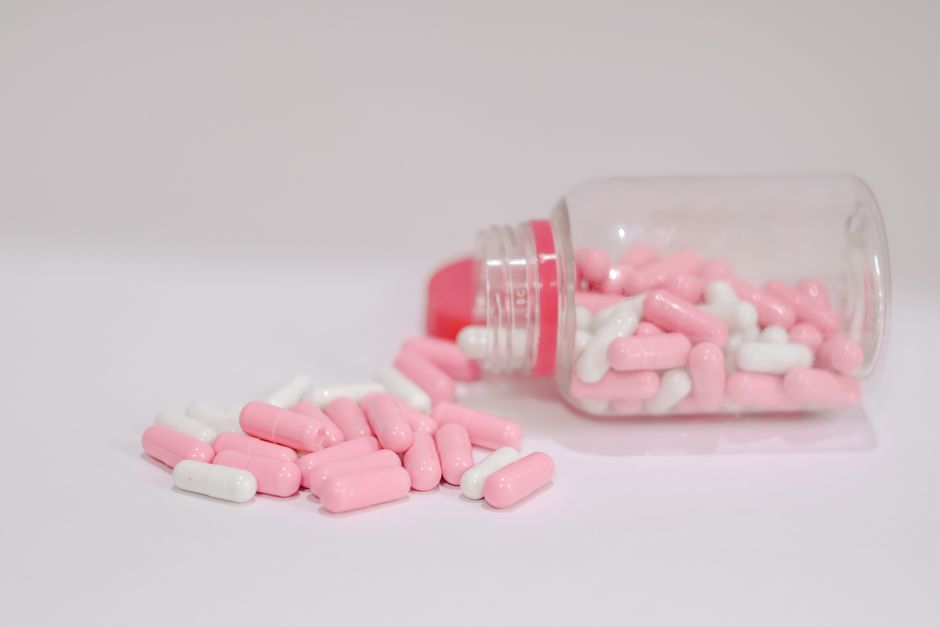
Capsule shells can make or break a supplement’s vegan status. Shoppers naturally focus on the active ingredient—such as a vitamin, herb, or mineral—but the shell is part of the product, too. A capsule filled with vegan ingredients is still not vegan if its shell is made from gelatin.
Look for the shell material in the ingredient list or product details. Common non-gelatin options include hydroxypropyl methylcellulose (HPMC, also called hypromellose), pullulan, and some starch-based materials. These are often used for vegetarian or vegan capsules, but it’s still worth checking the complete formula and the manufacturer’s specific claim.
Why the “softgel shell” deserves extra scrutiny
Traditional softgels are usually made with gelatin because it forms a flexible shell that can hold oil-based contents. That makes fish oil, vitamin D, and other liquid supplements frequent candidates for gelatin softgels. Plant-based softgels exist, but their shells may use materials such as modified starch, carrageenan, or other plant-derived ingredients. A softgel’s shape does not tell you what it is made of.
If a product says “vegan softgel,” check for an explicit shell-material statement. If the label simply says “softgel” or lists “capsule” without identifying the shell, ask the company. That detail matters: a company should be able to tell you what the capsule is made from, rather than asking you to infer it from the product category.
Why gelatin can show up in products marketed as vegan
There are several possible explanations—and they aren’t all equally reassuring.
- The claim applies to a different product. A brand may sell both vegan and non-vegan supplements. A vegan range does not mean every item from that company is vegan.
- The claim is vague or poorly placed. “Plant-based formula” might describe the active ingredients, not the capsule, flavorings, or processing aids.
- The label or product page is outdated. Formulas and suppliers can change. Older images or copy may not match the bottle currently being sold.
- Manufacturing details were overlooked. Brands may rely on contract manufacturers or ingredient suppliers. A missed specification can result in an animal-derived ingredient being included unintentionally.
- The product is misrepresented. If a finished product contains gelatin, calling that product vegan is inaccurate, regardless of the reason.
In other words, gelatin in a product described as vegan is not a special kind of “vegan gelatin.” It is a sign to verify the product and, if the label confirms gelatin, choose something else.
Gummies are a common source of confusion
The search phrase gummies gelatin points to a real label-reading problem: many gummies use gelatin for their chewy texture. But gummies can also be made with pectin, starch, or other gelling agents. The format alone does not establish whether a gummy is vegan.
Read the ingredient list for gelatin, and check whether the product uses a clearly named alternative such as pectin. Also review the rest of the formula. A gelatin-free gummy can still contain other animal-derived ingredients, including beeswax, carmine, or certain forms of vitamin D.
Don’t assume “plant-based” means every component is plant-derived, either. Some brands use that phrase to describe the main ingredient or the product’s general positioning. Look for an explicit vegan claim supported by clear labeling or independent verification.
Hidden animal-derived ingredients and colorings
Gelatin is only one item to watch for. Animal-derived ingredients can appear in active ingredients, capsule materials, coatings, colors, and flavor systems. Some labels identify their source clearly; others use a broad ingredient name that does not reveal whether it came from plants or animals.
These ingredients are not automatically animal-derived in every product. Glycerin and stearates, for example, can come from plant sources. The problem is that a generic ingredient name may not tell you which source a particular manufacturer used. If the source matters to you, ask for product-specific confirmation rather than relying on a guess.
What “vegan” on a supplement label can tell you
In the United States, the FDA does not federally define “vegan” as a standardized supplement-labeling term. That does not mean companies can make any claim without consequences: FDA labeling rules still apply, and claims must not be false or misleading. But shoppers should not assume the word “vegan” has one uniform, FDA-administered definition or that FDA has reviewed and approved every product bearing it.
Likewise, USDA Organic certification is not a vegan certification. Organic standards concern how covered agricultural ingredients are produced and handled. Organic status does not, by itself, tell you whether a supplement contains gelatin or another animal-derived ingredient. A product may be organic and non-vegan, or vegan without being organic.
This is where label loopholes and loose wording can trip people up. The issue is not necessarily a technical loophole in the law; it is that terms such as “plant-based,” “clean,” or “natural” may not answer the specific question a vegan shopper has: does this finished product contain animal-derived ingredients?
Third-party vegan marks add outside verification
A credible third-party vegan mark can add another layer of review beyond a brand’s own claim. Certification programs generally set criteria and assess products or ingredients https://www.athleisuremag.com/the-latest/2026/10/12/the-plant-based-athletes-label-checklist against them. Requirements differ by organization, so check what the specific mark covers: a product, a product line, or a company’s manufacturing practices.
Certification is useful, but it is not a substitute for reading the package. Confirm that the mark is genuine, applies to the exact product you’re buying, and appears on the current version of the label. If you have a severe allergy or another medical concern, vegan certification also does not guarantee an absence of cross-contact with particular allergens.
How to verify a product before you buy
- Read the full ingredient list. Check the capsule or gummy material, coatings, colors, flavorings, and active ingredients—not just the first few items.
- Look for the shell specification. If a label says only “capsule,” ask whether the shell is gelatin, HPMC, pullulan, or another material.
- Ask about ambiguous sources. For ingredients such as glycerin, stearates, or vitamin D3, request confirmation of the source used in that specific product.
- Check current product information. Formulas can change, so compare the label on the bottle with the brand’s current product page.
- Look for independent certification. Verify the certifier and make sure the mark covers the exact item, not simply the brand in general.
- Request documentation when needed. Ask for supplier statements, manufacturing information, or other evidence that supports the vegan claim.
A certificate of analysis (COA) tied to your batch can be useful for checking certain quality and testing details, but a standard COA does not automatically prove that a product is vegan. Batch lab reports may show results for identity, potency, contaminants, or other tests; they usually need to be paired with ingredient-sourcing records or a certification process to support a vegan claim. Ask what the document actually verifies rather than treating “COA available” as a blanket guarantee.
Companies such as Joy Organics may offer product-specific information for shoppers to review, but no brand name should replace checking the exact supplement, label, and documentation. If a company’s answer is unclear, ask a direct follow-up: “Does this finished product, including its capsule shell, flavorings, processing aids, and coatings, contain any animal-derived ingredients?”
The bottom line
Vegan supplements can still appear to use gelatin because shoppers may be looking at a mixed product line, an outdated label, or a claim that describes only part of a formula. Sometimes the explanation is simply that the product is not vegan. Gelatin in a capsule or gummy is animal-derived, and a plant-based active ingredient does not change that.
Check the shell first, then read the full ingredient list for animal-derived ingredients and ambiguous sources. Treat “vegan,” “plant-based,” and “organic” as distinct claims, and look for third-party vegan verification when you want additional assurance. If the label leaves out the capsule material or a source is unclear, ask the manufacturer for product-specific evidence before you buy.