Why Does My Knee Ache More on Cold Away Days Now I'm Older?
If you’re a seasoned Scottish lower-league fan like me, you know the feeling: standing all afternoon on those chilly, damp terraces, watching your team grind it out away from home, your knee starts nagging and aching in a way it never used to. Maybe the discomfort wasn’t so bothersome when you were younger, but now it’s hard to ignore. So, why is your knee pain worse in cold weather? And what’s going on beneath the surface after years of football culture, grass roots play, and maybe a few knocks you shrugged off?
Let’s unpack this common yet misunderstood issue, bust some myths, and explore practical ways you can manage your knee pain. We’ll also touch on some official guidance, like that from the UK Anti-Doping (UKAD) website—yes, even fans like us should know about clean sport—plus what pathways exist if you’re considering advanced treatments such as medical cannabis, which some private clinics are starting to offer responsibly.
Football Culture and the Stigma Around Reporting Pain
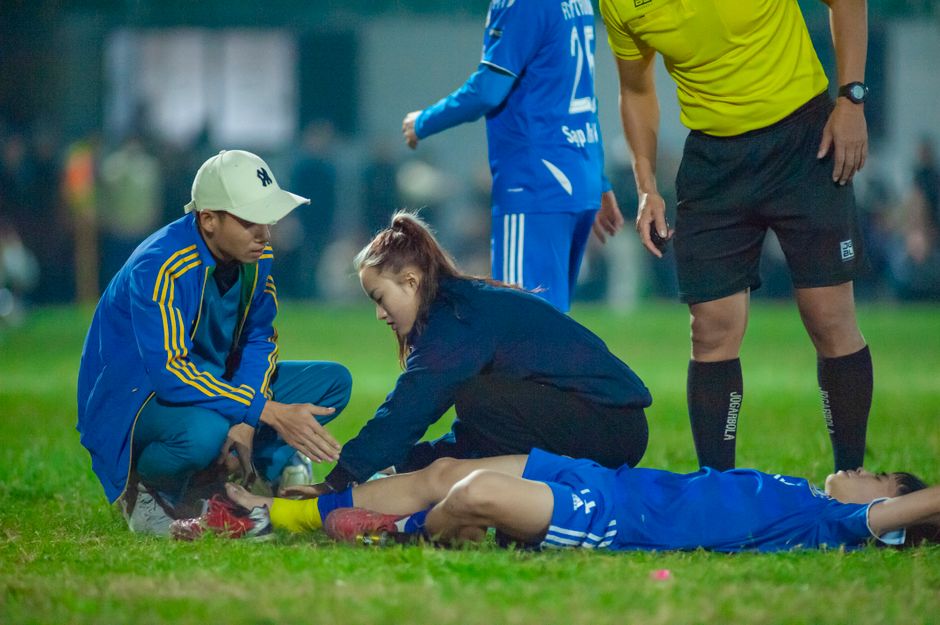
First, let’s get one thing clear: football isn’t just a game of goals and glory—it's a game marked by tough backs, sore knees, and silence about pain. For many players and supporters, especially in the lower leagues, admitting to aches or injuries has long been a badge of weakness. “Just play through it,” “be tough,” or “rest it and you’re soft” are classic refrains.
Years of this mindset have created a culture where reporting pain is feared or punished. Coaches might bench or drop players for complaining. Players might ignore symptoms to avoid losing their place. Unfortunately, this approach doesn’t serve long-term health. Ignored or hidden knee issues can morph into chronic problems like osteoarthritis or persistent painful conditions.
What Changed in the Last Six Weeks?
One question I always ask is: “What changed in the last six weeks?” Maybe you started standing on colder terraces for longer, swapped your casual shoes, or had a flare-up after an away day. This question cuts through vague “it hurts more now” complaints and points to specific factors that worsen knee pain.
Long-Term Outcomes: Osteoarthritis and Persistent Knee Pain
Many people don’t realise that knee pain after years of playing or standing can be a sign of early-stage osteoarthritis (OA). This is when the cartilage cushioning the bones inside your knee wears down. It’s a bit like the tread thinning on your well-used boots: eventually, it affects the way the boot performs.
Chronic knee pain after sport is often linked to:
- Imperfect Healing: Injuries that didn’t fully heal or were repeatedly strained.
- Cumulative Loading: Years of standing, running, twisting, jumping put gradual wear and tear on knees.
- Central Sensitisation: Your nervous system becomes more sensitive to pain signals, causing heightened discomfort even if the damage isn’t severe.
The result? Even mild changes are felt sharply, especially in cold, damp weather where joints can stiffen and contraction of tissues increases sensation of pain.
Why Does Cold Weather Make Knee Pain Worse?
It’s not just an old wives’ tale. Colder temperatures cause tissues around your joint to stiffen and blood vessels to constrict, meaning less oxygen and nutrients in the area. This can amplify sensations of pain and stiffness, especially if your cartilage is thin or your muscles weak. Plus, cold makes you tense up — altering your posture and putting extra strain on vulnerable structures.
Standing at Football Matches: Why Does It Hurt?
Standing for hours, particularly on hard concrete terraces or damp grass, bombards your knees with constant load without the usual relief movement jogging or walking provides. The cumulative loading is relentless and often the culprit for “standing at football pain.”
Prolonged standing leads to:
- Increased joint swelling and stiffness.
- Muscle fatigue and imbalances reducing support around the knee.
- Compression of inflamed areas increasing pain signals.
Mechanisms Behind Chronic Knee Pain After Sport
Mechanism What It Means Impact on Knee Pain Imperfect Healing Injuries that never fully recover – like lingering meniscus tears or ligament strains Weakness and instability leading to ongoing discomfort Cumulative Loading Repeated mechanical stress from standing, running, and twisting over years Wear and tear inside the joint, cartilage thinning Central Sensitisation Nervous system amplifies pain signals out of proportion to physical damage Persistent pain even when inflammation settlesActive Rehab: Graded Exercise and Strengthening
The greatest weapon against stubborn knee pain is active rehab. Unfortunately, many folk hear “exercise” and immediately think “it will hurt me more.” But the key is graded, controlled strengthening. This means gradually building load and complexity so your knee, muscles, and brain learn to handle movement without flaring the pain.
- Start Low and Slow: Begin with gentle range-of-motion drills – such as seated knee bends or heel slides.
- Incorporate Strengthening: Focus on your quads, hamstrings, and glute muscles. Strong hips support your knees.
- Weight Bearing Progression: Move from seated exercises to partial weight bearing, then standing exercises like mini squats or step-ups.
- Balance and Proprioception: Use wobble boards or single-leg stances to retrain joint awareness.
- Consistency Over Intensity: The goal is small, consistent wins, not pushing through pain.
Ask yourself: “What’s realistic for me to do every day or every other day?” Remember, rehab shouldn’t be a chore but part of your routine, much like tuning your boots or finding your lucky scarf.
UKAD Guidance and Clean Sport
While managing chronic knee pain, it’s important to remain within the rules if you’re active in competitive sport. The UKAD medication guidance is a brilliant resource for understanding which treatments and supplements are permitted.

For example, some athletes explore alternative therapies like medical cannabis for pain management. However, any such treatment must be approached carefully. Under current UK anti-doping rules, cannabis remains banned in competition, though some private clinics offer pathways for medical cannabis prescriptions for pain management outside of competition.
Medical Cannabis: What’s the Pathway?
Private clinics in the UK increasingly provide consultations to discuss the potential benefits and risks of medical cannabis for chronic pain. This is not a first-line treatment and usually considered only when conventional therapies fail.
- Consult a specialist pain doctor or neurologist.
- Undertake a thorough medical history and assessment.
- Consider all other conventional treatments like physiotherapy, NSAIDs, and injections before pursuing cannabis.
- Understand the legal status and anti-doping implications if competing in sport.
Always discuss options with your healthcare provider and check legal guidelines.
Key Takeaways for Fans with Dodgy Knees
- Don’t ignore pain: Long-term complications are common but manageable if addressed.
- Cold weather effects: Joints stiffen, pain intensifies, so dress warmly and prepare your knees.
- Standing at matches: Use good footwear and take breaks to sit if possible.
- Active rehab helps: Graded exercises rebuild muscle and support knee stability without flare-ups.
- Follow guidance: Check UKAD advice if you’re competing and explore medical treatments responsibly.
- Be honest about your pain: It’s not weakness – it’s smart. Your knees will thank you.
Final Thoughts
From years of standing on chilly terraces, to playing and supporting the beautiful game, chronic knee pain is a frequent unwelcome companion for many of us who lived and breathed football through the lower leagues. But the good news is that understanding the why behind your ache, overcoming stigma, and committing to simple, practical rehab can make a real difference.
So next time you’re gearing up for an away day, don’t just wrap your scarf or put on your lucky jumper—wrap your knees in some mindful care too. And if your knee aches a bit more when that pieandbovril.com icy wind blows, remember: you’re giving your old warrior joints the respect they deserve.
Got questions or want tips on simple knee-friendly exercises you can do at home or at the games? Drop a comment or reach out—community’s how we all keep moving forward.
```